
Navigating the SFDR Evolution: SFDR 2.0 and Its Implications for Fund Managers

March 14, 2025

The Sustainable Finance Disclosure Regulation (SFDR) has been a cornerstone of the EU’s sustainable finance framework, but its implementation has revealed challenges, particularly around product classification and transparency. In response, on 17 December 2024, the EU Platform on Sustainable Finance released a briefing note outlining a proposed new categorization system to provide clearer guidance and improve investor understanding.


This proposal is currently under review and has yet to become final legislation. However, with the SFDR revision scheduled for Q4 2025, fund managers must stay proactive in understanding and preparing for the new classification system. This article explores the proposed changes, insights from the ESAs’ joint opinion on SFDR, and what these developments mean for fund managers, investors, and the broader financial ecosystem.

Why the need for change?

Since the introduction of the SFDR, financial market participants have struggled with inconsistent interpretations of Article 6, 8, and 9 classifications, leading to market fragmentation and regulatory uncertainty. Investors, too, have found it difficult to distinguish between different sustainability strategies. The new proposal aims to introduce a structured and more transparent categorization system that better reflects the sustainability characteristics of financial products.


These concerns were also echoed in the European Supervisory Authorities’ (ESAs) joint opinion on SFDR, which emphasized the need for greater clarity, standardization, and alignment with EU Taxonomy requirements. The ESAs highlighted that many financial products were marketed under sustainability labels without meeting clearly defined criteria, raising risks of greenwashing. This aligns with the Platform’s proposal for a more structured system of classification.


The proposed new SFDR categories

The Platform proposes four distinct categories to replace the current Article 6, 8, and 9 frameworks. These are designed to provide a clearer link between a product’s sustainability objectives and the investment strategies it employs. The categories are Sustainable Products, Transition Products, ESG Collection Products, and Unclassified Products:


1. Sustainable products

Characteristics:

  • Objective: Invest in economic activities or assets that are already environmentally and/or socially sustainable.
  • Investment focus: A significant portion of investments should be aligned with the EU Taxonomy or be considered sustainable investments with no significant harmful activities (“DNSH”) for a minimum proportion of assets.


Minimum criteria:

  • Taxonomy Alignment: If an economic activity is covered under the EU Taxonomy, it must meet its stricter criteria to qualify as a sustainable investment. The broader SFDR definition of sustainability can only be applied when the activity is not within the scope of the EU Taxonomy.
  • Do No Significant Harm (DNSH): Non-Taxonomy investments must pass the Do No Significant Harm (DNSH) test, considering Principal Adverse Impacts (PAIs) relevant to the fund’s sustainability focus.
  • More granular Principal Adverse Impacts (PAIs): funds might be required to report on a more granular basis with regards to PAIs, as managers will be expected to “explain deficient or poor PAI indicator performance and how this is in line with the principle that the remainder should not undermine the sustainability objective”.
  • Exclusions: Compliance with the Paris-Aligned Benchmark (PAB) exclusionary criteria, which typically exclude activities like fossil fuel production and controversial weapons.

2. Transition products

Characteristics:

  • Objective: Focus on investments in economic activities or assets that are not yet sustainable but are on a credible path to becoming sustainable over time.
  • Investment focus: Support the transition to a net-zero and sustainable economy, aligning with the European Commission’s recommendations on facilitating financing for the transition to sustainability.


Minimum criteria:

  • Transition commitment: Investments should have credible transition plans, such as science-based targets or alignment with Climate Transition Benchmarks (CTB). The option(s) committed to must be made binding elements of the investment strategy.
  • Exclusions: Adherence to CTB exclusion criteria, which may include sectors or activities incompatible with transition objectives.
  • Engagement strategy: Active engagement with investee companies to encourage the adoption and implementation of transition plans, including clear escalation and divestment strategies if progress is insufficient.
  • Sustainability indicators reporting: Funds must report on sustainability indicators based on their committed transition focus, alongside with:

                         o EU Taxonomy alignment.

                      o All mandatory environmental PAIs if the focus is environmental transition.

                      o All mandatory social PAIs if the focus is social transition

                      o Both environmental and social PAIs if the fund targets both transitions                                                  simultaneously.


3. ESG collection products

Characteristics:

  • Objective: Invest in assets with specific environmental, social, and governance (ESG) features, promoting certain sustainability characteristics without necessarily having a sustainable investment objective.
  • Investment focus: Commit to one or more material sustainability features, such as effective reduction of the investment universe or investing in funds that are themselves sustainable or in transition.


Minimum criteria:

  • Sustainability features: Implement binding elements in the investment strategy, such as:

                     o Reducing the investment universe by a significant percentage (e.g., 20%).

                     o Investing in companies committed to year-on-year sustainability improvements                              or those outperforming a reference benchmark.

                     o Engaging with companies lacking transition plans to establish credible strategies,                            including escalation and divestment policies.

  • Exclusions: Meet minimum exclusion criteria, similar to those in the CTB, to avoid investments that could undermine the fund's sustainability features.
  • Disclosure: The commitments must be binding on the investment strategy and have respective sustainability indicators. The funds must report on EU Taxonomy alignment and all mandatory principal adverse impacts (PAIs) relevant to the fund's sustainability focus.


4. Unclassified products

Financial products that do not meet the criteria for any of the above categories will fall under the Unclassified category. These funds must include a mandatory disclaimer, clearly stating:

  • The product does not meet the standards for classification under the SFDR framework.
  • Any ESG, sustainability, or transition-related features must only be disclosed in legal documentation and not marketed as part of the fund’s identity.


Additionally, all financial products, including unclassified ones, will be required to report on:

  • Taxonomy alignment based on revenue and capital expenditures (CapEx).
  • Principal Adverse Impacts (PAIs), including:

                     o Greenhouse gas (GHG) emissions.

                     o Carbon footprint.

                     o GHG intensity of investee companies.

                     o Alignment with UN Guiding Principles on Business and Human Rights (UNGPs).


Key implications for fund managers

The proposed categorization brings both challenges and opportunities for fund managers, particularly in terms of compliance, product positioning, and investor communication.


Benefits

  • Improved clarity for investors: Clearer product differentiation should enhance investor trust and reduce greenwashing concerns.
  • Greater alignment with the EU Taxonomy: The proposal integrates EU Taxonomy alignment as a key component, ensuring consistency across the sustainable finance framework.
  • More strategic ESG positioning: Fund managers can more effectively market and differentiate their products based on well-defined sustainability criteria.


Challenges

  • Increased reporting and compliance burden: Funds must provide clear disclosures on why they fit into a particular category, including measurable sustainability indicators.
  • Transition risks for existing funds: Some Article 8 and 9 funds may need to reclassify under the new framework, requiring strategic adjustments.
  • More rigid criteria for sustainability claims: Funds seeking to be classified as "Sustainable" or "Transition" must meet minimum exclusion thresholds and demonstrate compliance with the Do No Significant Harm principle.


What’s next? SFDR revision in 2025

Beyond the Platform’s proposal, the European Commission has officially scheduled a full revision of the SFDR framework for Q4 2025. Initially expected in Q2 2025, this timeline was pushed back due to prioritization of the Omnibus package, CSRD, and CS3D regulations. The upcoming revision is expected to address concerns raised in the ESAs' joint opinion, further aligning SFDR with broader EU sustainable finance policies.


How to stay ahead?

At Permian, we continuously monitor regulatory developments to keep our clients informed and prepared. Whether you need support in fund classification, SFDR disclosures, or compliance planning, our team is ready to help.


Key Contacts
December 10, 2025
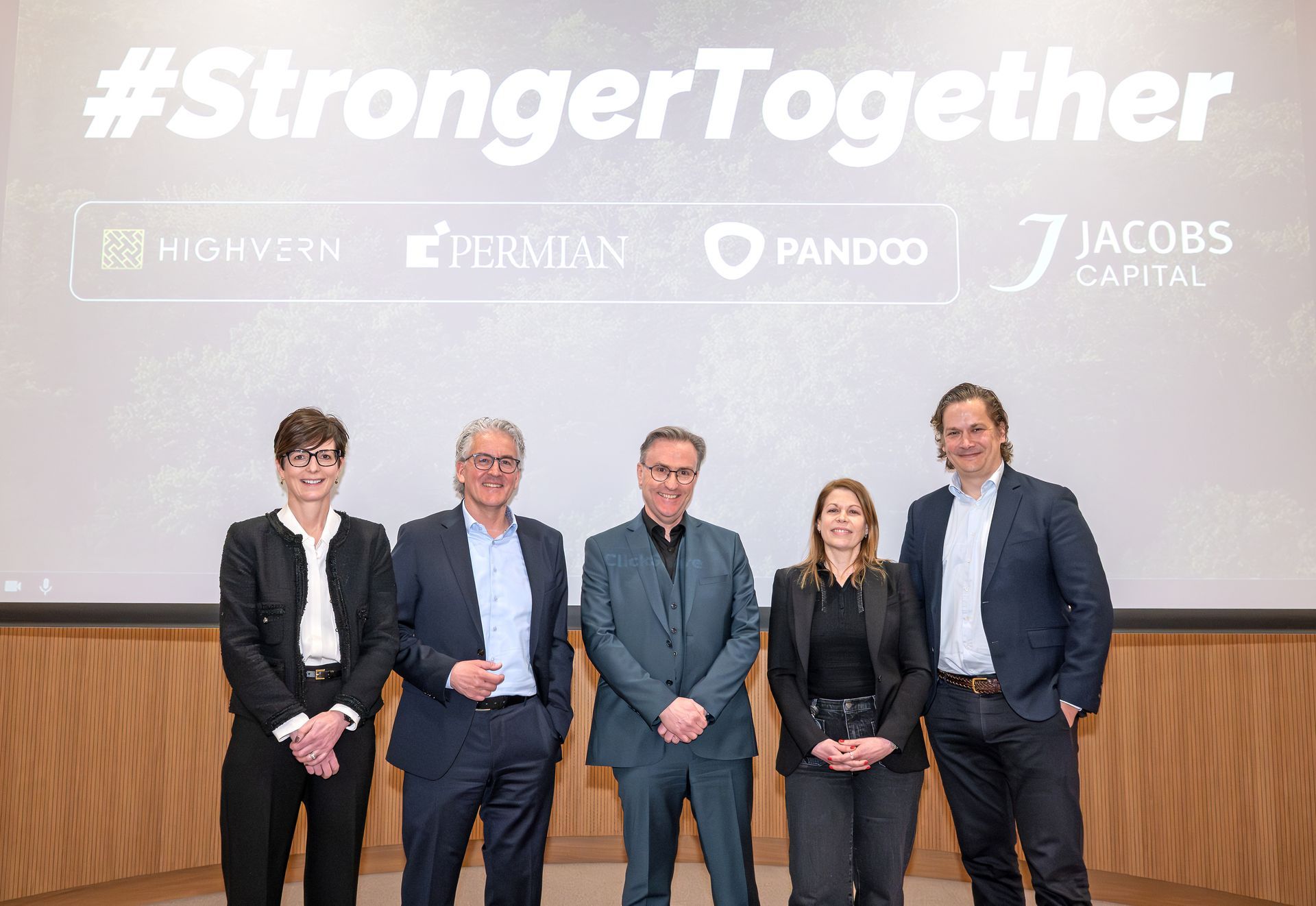
Permian and Highvern, together with Jacobs Capital, announce the appointment of Caroline Connellan as Group Chief Executive Officer.
Permian's new office at Jakobsbergsgatan 17.
December 9, 2025
To support Permian’s continued growth, its expanding Nordic client base, and its long-term commitment to providing best-in-class fund services, the company has relocated from Vasagatan 36 to new offices at Jakobsbergsgatan 17 in the Mood District. The new premises at Jakobsbergsgatan offer a modern and flexible workplace that accommodates Permian’s nearly 70 employees in Sweden. The office features expanded meeting facilities, improved collaboration areas, and increased workstation capacity to support the company’s continuously growing team and cross-border operations. “Alongside our mission to deliver high-quality services to our clients, our new office gives us room to scale and welcomes focused work as well as innovative and meaningful conversations with partners, clients, and colleagues. A huge thank you to everyone who has been part of this journey so far,” says Johanna Bjenne , Country Head, Sweden. The new office is fully operational. Updated contact details are available on Permian's website under "Contact".
November 19, 2025
As the global fund landscape evolves, cross-jurisdiction collaboration is becoming essential. For the newly combined Highvern and Permian group, that momentum begins with Ireland and the Nordics, where teams are already working together to strengthen onshore fund services and deliver seamless, client-focused solutions across eight jurisdictions: Ireland, Sweden, Norway, Jersey, Guernsey, the UK, South Africa, and the Cayman Islands. Country Heads Emma Keane (Ireland), Johanna Bjenne (Sweden), and Susanne Berge-Hansen (Norway) share insights on how the unified group – now over 300 colleagues with $45bn in assets under administration – is creating value for clients through integrated expertise and a connected, multi-jurisdictional platform. Strength across borders Emma Keane (EK): What makes clients look outside Sweden or Norway when setting up structures in other jurisdictions? Johanna Bjenne (JB): For Swedish managers, it’s a mix of access to capital, tax considerations and investor comfort. Many institutional investors are used to Ireland or Luxembourg structures, so being able to offer that option through the same group helps facilitate a seamless solution. It’s not just a tax discussion anymore - it’s about investor confidence, reputation, and long-term visibility. Susanne Berge Hansen (SBH): It’s similar in Norway. Managers want stability and regulatory consistency. By working closely with our Irish colleagues, we can compare and combine options to find the best fit for each client. The fact that this can now happen within the same organisation makes a big difference - it’s faster, simpler, and built on shared trust. EK: Clients increasingly expect that continuity. Having Ireland, Sweden, and Norway as well as our offshore offering in Jersey, Guernsey and Cayman under one group allows us to offer local presence and international reach in a single connected network of expertise. Enhancing expertise & innovation EK: We’ve already seen teams working more closely together since the integration. How is that translating into client opportunities right now? SBH: It’s already changing how we think. For example, Highvern’s Irish team has deep experience in areas like debt and private credit, while our Nordic clients are exploring those same asset classes. We can now bring that knowledge straight into client discussions, rather than learning from scratch. JB: Yes and on our side, we’re supporting more clients who want digital access and data visibility. As part of a larger group with shared technology development, we’re now able to offer those tools faster. It’s a real, practical benefit that’s happening today. EK: And it’s two-way. We’re learning from the Nordic teams’ approach to client engagement -that mix of precision and partnership. You can already feel that shared energy across our teams. Having recently been successful on a pitch, referred from our Permian colleagues, for a Swedish manager looking to launch an Irish ICAV for their royalties’ fund, demonstrating not only the further jurisdictional reach but also the depth of expertise between both teams, the client was able to feel the benefit from the outset of the relationship. JB: At Permian, our values - caring, precise, and challenging - are really lived day to day. Joining a bigger group always raises questions about culture. How do you see that playing out? SBH: The key is that our values align. Highvern’s focus on quality, integrity, and client service mirrors what we’ve built at Permian. That means collaboration feels natural, you could see how quickly people connected - same mindset, just different accents! EK: That’s so true. The offsite really confirmed how strong that alignment is. Everyone’s ambitious but grounded, and that balance is what will help us scale without losing who we are. Impact for clients EK: Looking at the market today, what are the biggest topics your clients are focused on? JB: There’s a lot of attention on AIFMD II and ESG reporting. Clients want administrators who can not only comply but also help interpret what’s coming. Having a bigger, connected group means we can share insights and act faster when new regulation lands. SBH: Governance and data transparency are also high on the agenda. Clients expect partners who can combine strong regulatory understanding with modern digital delivery - and that’s exactly where we’re investing together as a group. EK: We’ve become one group with a shared purpose, and clients are already seeing the benefits - broader expertise, deeper resources, and a network that connects Ireland, the Nordics, and beyond. Not only does this extend to our Highvern and Permian colleagues, but also our strong network of intermediary relationships in each jurisdiction to help meet our clients needs. JB: It’s an exciting time. We’re not talking about a distant future - the collaboration is happening now, and it’s energising our teams and clients alike. You can feel the momentum. With a shared purpose and connected teams, we are already delivering enhanced onshore fund expertise, deeper resources, and seamless solutions for our clients – today and into the future.
November 6, 2025
As ESG regulation becomes a central part of the investment ecosystem, fund administrators take on a broader role. Agata Bremer, ESG Director at Permian, reflects on how this development builds on the existing strengths of fund administration — why administrators are uniquely positioned to deliver ESG services, and what it takes to adapt.
October 27, 2025
Meet Eleona Skreosen, Fund Administrator at Permian. With a background in Sustainable Finance and experience across hedge funds and health tech, she shares what drew her to Permian — and what makes her work here exciting
September 24, 2025
Jannike Ludvigsson, Senior ESG Advisor at Permian, answers key questions about the European Supervisory Authorities’ (ESAs) latest update on Sustainable Finance Disclosure Regulation (SFDR).
August 18, 2025
Several interesting publications from public authorities regarding the Sustainable Finance Disclosure Regulation EU 2019/2088 (SFDR) and linked sustainability regulations have been made during June and July 2025. Our main takeaways for Swedish and Norwegian AIFMs are listed below.
August 12, 2025
On 25 June, the Norwegian Financial Supervisory Authority (the “NFSA”) published a report on Norwegian asset manager’s compliance with the SFDR.
July 4, 2025
Dear clients, business partners and colleagues, As the long, sunny days of summer arrive, we extend our warmest wishes for a refreshing and enjoyable holiday season. In the past six months we have strengthened our team with talented new colleagues and sustained strong growth across our core services. We also joined forces with Highvern , broadening and deepening the support we provide and we are now present across seven jurisdictions. We are now using Allvue as our main fund administration platform. With Allvue in place, we have a highly efficient and secure IT solution in place, handling everything from accounting to all elements of fund administration, as well as allowing integrations to other systems through open APIs. Allvue also offers a professional Investor Portal that enables seamless investor reporting, performance tracking and enhances investor interaction through interactive dashboards. With the solid backbone in place, Allvue will strengthen the overall quality of our service, fully aligned with our commitment to delivering “Everything Correct” . We have also reinforced our ESG commitment by developing tailored ESG services specifically designed to support and offload AIF managers. These milestones reflect our dedication to tech innovation, operational excellence, our ESG ambitions, and above all your success. We are already energized by the progress we have made so far this year and are eager to pick up where we left off once the break is over. Until then, thank you for your trust and collaboration. From all of us at Permian, have a wonderful, restful and sun-filled summer holiday!
June 10, 2025
At Permian, we believe that sustainability is more than just a regulatory requirement—it’s an essential part of creating long-term value to investors in the private equity markets. As the ESG landscape continues to evolve at a rapid pace, we’re committed to being a trusted partner for AIF managers navigating this complex terrain. The introduction of regulations such as the Sustainable Finance Disclosure Regulation (SFDR) and the EU Taxonomy has brought both challenges and opportunities for fund managers. Understanding the requirements, aligning with investor expectations, and integrating ESG into operations can feel overwhelming and time consuming. That’s why we’re developing tailored ESG services specifically designed to support and offload AIF managers in their journey toward compliance and sustainable growth. Services that are a natural extension of Permian’s long-standing values: Precise, Challenging, and Caring. “At the heart of our commitment is a focus on finding and building the best, most efficient solutions to support the ESG journey of AIF managers. We understand the complexities fund managers face and are dedicated to making the process as easy and seamless as possible,” says Agata Bremer, Head of ESG at Permian. By leveraging innovative and effective tools, streamlined processes, and expert guidance, we aim to reduce the efforts and any burden of compliance and create clarity in an otherwise complex regulatory landscape. Our approach is hands-on, operative and collaborative. Through ongoing dialogues with clients, including workshops and one-on-one support, we aim to uncover pain points and identify practical solutions. Whether it’s simplifying ESG reporting, aligning investment strategies with sustainability goals, or addressing regulatory obligations, our goal is to provide actionable guidance that truly makes a difference.  We’re excited about the opportunities ahead and look forward to helping AIF managers turn handling of sustainability from a challenge into a competitive advantage. Together, we can create lasting impact for businesses, investors, and the environment.
More Posts