
Ny lov om bærekraftig finans

June 21, 2021

Regjeringen la frem forslag om en ny lov om bærekraftig finans den 4. juni 2021. Lovforslaget gjennomfører EU-forordninger om offentliggjøringskrav og en taksonomi for bærekraftig økonomisk aktivitet. AIF-forvaltere blir underlagt loven, og et alternativt investeringsfond (AIF) defineres i loven som et finansielt produkt. 

Formålet med loven er å vri private investeringer i bærekraftig retning. Det skal bli lettere å investere bærekraftig, ved å sikre en felles forståelse av hva som kan kalles grønt eller bærekraftig i finansmarkedene.


Finanstilsynet skal føre tilsyn med foretakenes etterlevelse av lovkravene. 


EUs offentliggjøringsforordning pålegger finansmarkedsdeltakere (foretak i finansiell sektor som har porteføljeforvaltning som del av sin virksomhet, herunder AIF-forvaltere), og finansrådgivere (herunder AIF-forvaltere som yter investeringsrådgivning), å opplyse om hvordan hensynet til bærekraftrisiko er integrert i risikovurderinger og investeringsrådgivning. Foretakene og rådgiverne skal også opplyse om eventuelle negative bærekraftvirkninger av investeringsbeslutningene. 


De fleste av kravene i forordningen trådte i kraft 10. mars 2021 i EU. Reglene i forordningen om periodisk rapportering skal tre i kraft 1. januar 2022. Det er uavklart hvorvidt reglene gjelder registrerte AIF-forvaltere uten konsesjon*. Innen EU hvor reglene trådte i kraft 10. mars, har noen registrerte AIF-forvaltere valgt å implementere reglene, mens andre har valgt å vente til det kommer en avklaring fra regulatoriske myndigheter.


EUs taksonomiforordning etablerer rammeverket for et klassifiseringssystem (taksonomi) for bærekraftig økonomisk aktivitet. Det blir krav om at de som tilbyr investeringsprodukter, må opplyse om hvor stor andel av underliggende investeringer som er bærekraftige etter taksonomien når produktet markedsføres som grønt eller bærekraftig. Europakommisjonen skal fastsette utfyllende regler med nærmere kriterier for hvilke aktiviteter som skal kunne regnes som bærekraftige. Det første settet med kriterier ble lagt frem i april, og skal gjelde fra 1. januar 2022. 


Taksonomiforordningen fastsetter at tilleggskravene i offentliggjøringsforordningen som angår miljømålene i taksonomiforordningen skal gjelde dels fra 1. januar 2022 og dels fra 1. januar 2023. Kommisjonen skal innen 30. desember 2022 vurdere hvordan forordningen har virket


Konsekvens for AIF-forvaltere


AIF-forvalter skal på sine nettsteder offentliggjøre opplysninger om sine retningslinjer for integrering av bærekraftrisikoer i sin investeringsbeslutningsprosess. AIF-forvalter må også offentliggjøre og ajourføre opplysninger om de tar hensyn til de viktigste negative konsekvensene av investeringsbeslutninger for bærekraftfaktorer eller ikke. Dersom det ikke tas slike hensyn, må det klart begrunnes og opplyses om når man eventuelt skal ta hensyn til negative konsekvenser, dersom relevant. Loven stiller ytterligere detaljerte minimumskrav til opplysningene.


Utkast til lov gir utvidede krav til store selskaper, blant annet når det gjelder krav til erklæringer, informasjon på finansproduktnivå og krav til informasjon i selskapsrapportering. Plikten gjelder minimum banker, forsikringsforetak og noterte foretak med mer enn 500 ansatte (foreløpig grense). Finansmarkedsdeltaker som er morselskap i et stort konsern, hvor konsernet på konsolidert grunnlag har mer enn 500 ansatte, skal på sine nettsteder offentliggjøre og holde a jour en erklæring om sine retningslinjer for behørig aktsomhet med hensyn til de viktigste negative konsekvensene av investeringsbeslutninger for bærekraftfaktorer. 


AIF-forvalter som yter investeringsrådgivning, skal på sine nettsteder offentliggjøre opplysninger om sine retningslinjer for integrering av bærekraftrisikoer i sin investeringsrådgivning. Videre må det gis ajourførte opplysninger om man tar hensyn til de viktigste negative konsekvenser for bærekraftfaktorer eller ikke, og dersom relevant i tilfelle når de har til hensikt å ta hensyn til slike negative konsekvenser. 


Som finansmarkedsdeltaker og eventuelt finansrådgiver skal AIF-forvalter i sin godtgjørelsespolitikk ta med opplysninger om hvordan politikken er forenlig med integrering av bærekraftrisikoer, og offentliggjøre dette på sitt nettsted.


Før avtale eller kontrakt inngås, må AIF-forvalter legge frem opplysninger om hvordan bærekraftrisikoene er integrert i deres investeringsbeslutninger, og resultatene av de sannsynlige konsekvensene av bærekraftrisikoen for avkastningen på det finansielle produkter, dvs AIF-fondet, de tilbyr. Dersom bærekraftrisikoen ikke anses relevant, må det gis en klar og kortfattet redegjørelse om årsakene til dette. Det er en tilsvarende bestemmelse for investeringsrådgivning. For AIF-forvalter skal opplysningene gis sammen med opplysninger til investorene/prospekt. 


Dersom et finansielt produkt, det vil si et alternativt investeringsfond (AIF) fremmer miljømessige og/eller sosiale egenskaper, forutsatt at selskapene som det investeres i følger god styringspraksis, stilles det krav til opplysninger om hvordan disse egenskapene oppnås. Det må også opplyses om eventuell utpekt indeks (inkl metode) som referanseverdi underbygger disse egenskapene. Dersom et AIF har bærekraftig investering som mål (uten utpekt indeks som referanseverdi), må det redegjøres for hvordan målet skal nås. Tilsvarende må det opplyses om eventuelle klimamål. Europeiske tilsynsmyndigheter har utarbeidet utkast til tekniske reguleringsstandarder for dette.


Dersom en AIF-forvalter tilbyr et AIF som fremmer miljømessige eller sosiale forhold eller som har bærekraftig investering som mål, skal forvalteren på sin nettside gi ajourført informasjon om dette per fond. Tilsvarende må forvalteren gi informasjon i årsrapporten. Det stilles også krav til at markedsføring ikke er i strid med forordningen. 


Nytt direktiv om selskapsrapportering om klima- og bærekraftrelaterte forhold


EU kommisjonens forslag til nytt direktiv om selskapsrapportering om klima- og bærekraftrelaterte forhold («Corporate Sustainability Reporting Directive», CSRD), foreslås å innføre krav om revisjon av bærekraftrapporteringen, og digitalisering av informasjonen som rapporteres. Kravene om revisjon og digitalisering er foreslått å gjelde også for rapporteringen foretakene skal gjøre etter taksonomiforordningen artikkel 8. Etter Kommisjonens forslag skal de nye kravene gjelde fra 2023. 


Økte krav til store selskaper som gjelder fra 1. juli 2021 i Norge


Den 13.april 2021 ble det vedtatt tilleggskrav i regnskapsloven §3-3c når det gjelder bærekraft. Store foretak skal utarbeide en redegjørelse om samfunnsansvar som minst omhandler miljø, sosiale forhold, arbeidsmiljø, likestilling og ikke-diskriminering, overholdelse av menneskerettigheter og bekjempelse av korrupsjon og bestikkelser. Opplysningene skal gis i det omfang som er nødvendig for å forstå foretakets utvikling, resultat og stilling og konsekvenser av foretakets virksomhet.


Redegjørelsen skal gis i årsberetningen eller i annet offentlig tilgjengelig dokument.


Kravene gjelder store selskaper slik de er definert i regnskapsloven §1-5, dvs selskaper som ikke er små etter regnskapslovens § 1-6 (som møter minst to av kravene: mer enn MNOK 70 i omsetning, mer enn MNOK 35 i balansesum og mer enn gjennomsnittlig antall ansatte i året på 50). Plikten omfatter blant annet alle allmenaksjeselskaper, foretak som har utstedt noterte aksjer, egenkapitalbevis eller rentepapirer og banker, uavhengig av størrelse. Endringene i regnskapsloven trer i kraft 1. juli 2021.


*Etter publikasjon av denne artikkelen har vi forespurt Finanstilsynet (FT), og har fått tilbakemelding på at FT har tolket Disclosure Regulation og den norske offentliggjøringsforordningen slik at den omfatter både AIF-forvaltere med autorisasjon og registrerte AIF-forvaltere. Utgangspunkt er derfor at registrerte AIF-forvaltere også faller inn under forordningen, men FT vil legge vekt på eventuelle uttalelser fra EU-Kommisjonen om spørsmålet. 


Kontakt:

Permian: post@permian.no

Rita Granlund: rita.granlund@permian.no

Anna Berntson: anna.berntson@permian.se
November 19, 2025
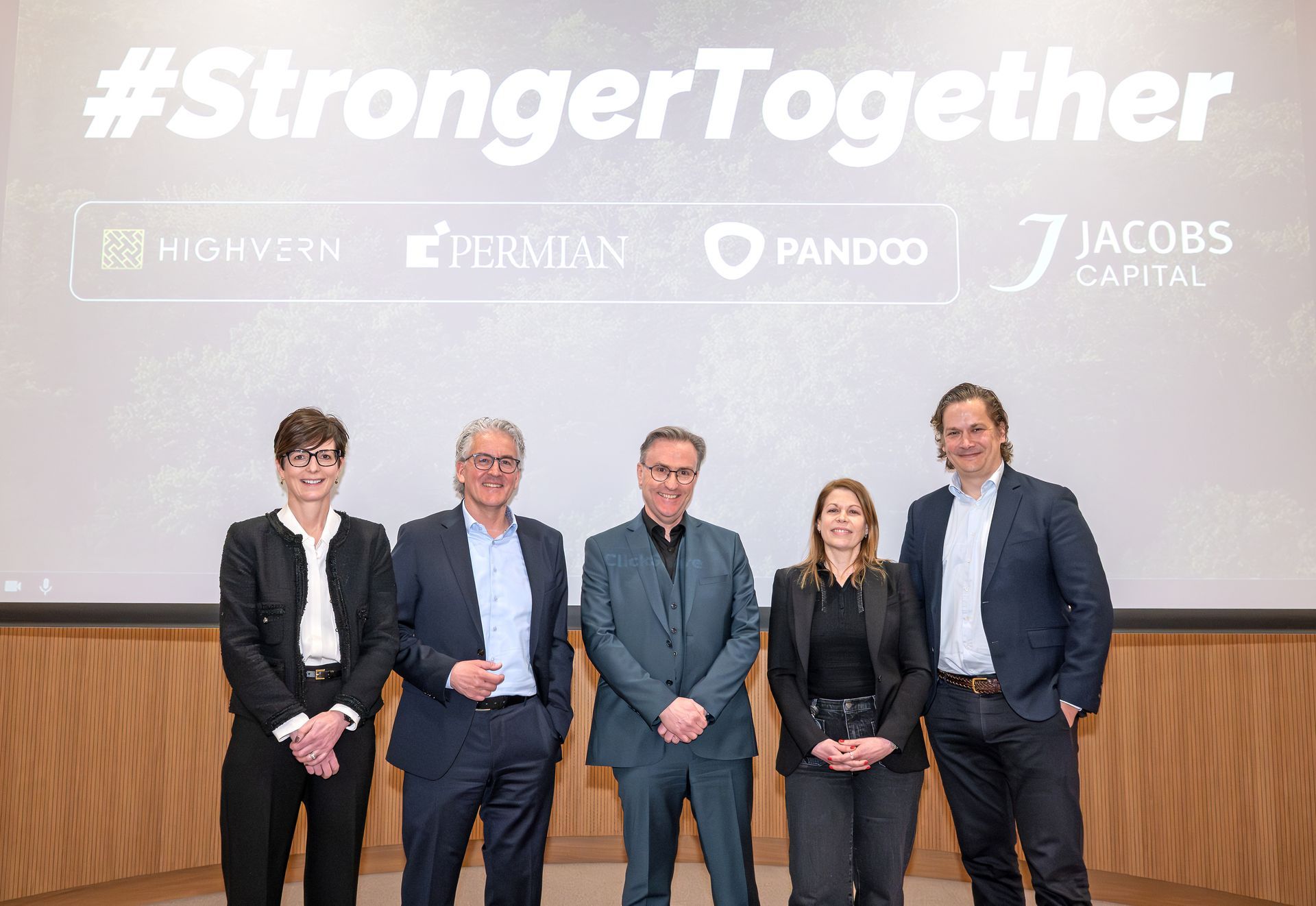
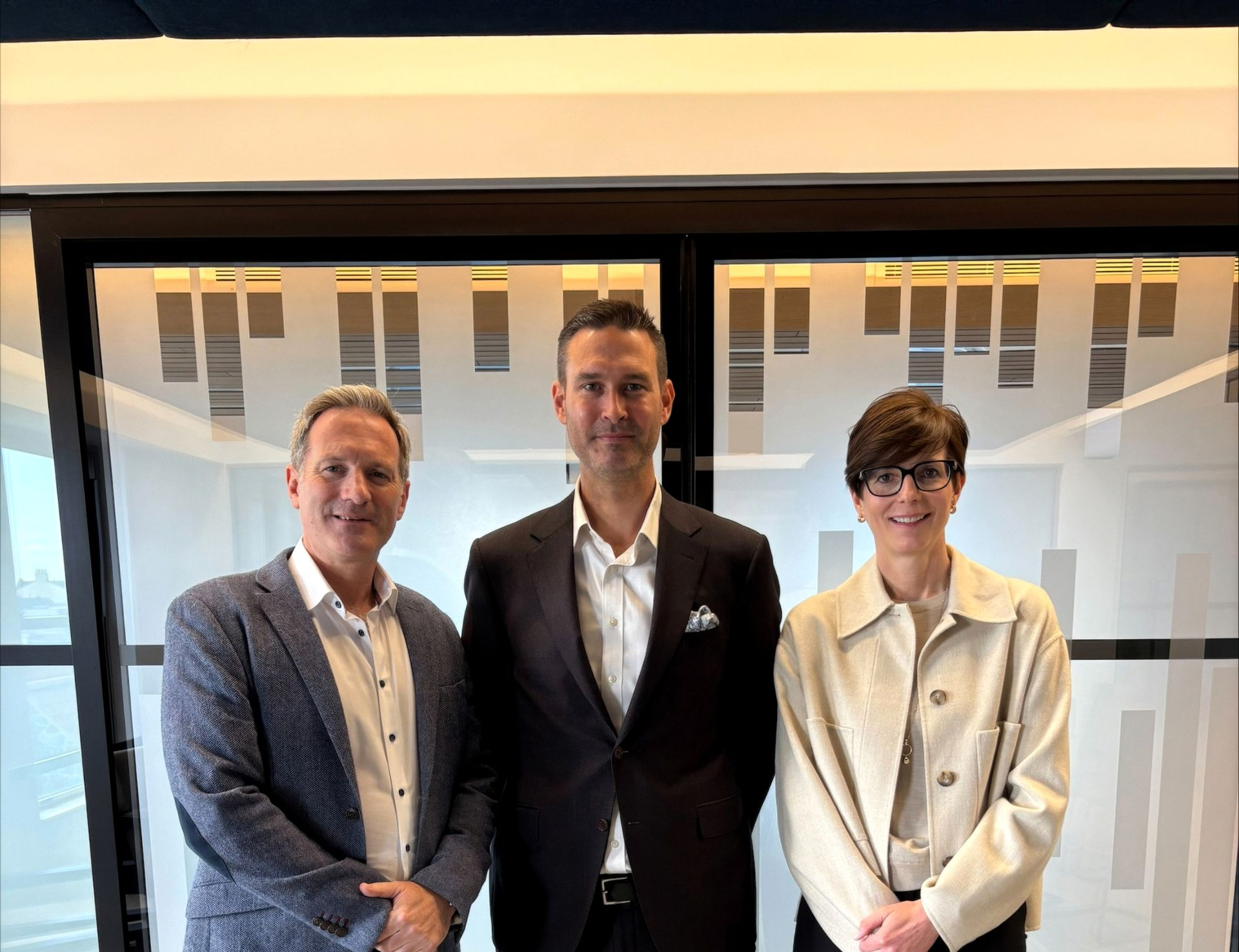
As the global fund landscape evolves, cross-jurisdiction collaboration is becoming essential. For the newly combined Highvern and Permian group, that momentum begins with Ireland and the Nordics, where teams are already working together to strengthen onshore fund services and deliver seamless, client-focused solutions across eight jurisdictions: Ireland, Sweden, Norway, Jersey, Guernsey, the UK, South Africa, and the Cayman Islands. Country Heads Emma Keane (Ireland), Johanna Bjenne (Sweden), and Susanne Berge-Hansen (Norway) share insights on how the unified group – now over 300 colleagues with $45bn in assets under administration – is creating value for clients through integrated expertise and a connected, multi-jurisdictional platform. Strength across borders Emma Keane (EK): What makes clients look outside Sweden or Norway when setting up structures in other jurisdictions? Johanna Bjenne (JB): For Swedish managers, it’s a mix of access to capital, tax considerations and investor comfort. Many institutional investors are used to Ireland or Luxembourg structures, so being able to offer that option through the same group helps facilitate a seamless solution. It’s not just a tax discussion anymore - it’s about investor confidence, reputation, and long-term visibility. Susanne Berge Hansen (SBH): It’s similar in Norway. Managers want stability and regulatory consistency. By working closely with our Irish colleagues, we can compare and combine options to find the best fit for each client. The fact that this can now happen within the same organisation makes a big difference - it’s faster, simpler, and built on shared trust. EK: Clients increasingly expect that continuity. Having Ireland, Sweden, and Norway as well as our offshore offering in Jersey, Guernsey and Cayman under one group allows us to offer local presence and international reach in a single connected network of expertise. Enhancing expertise & innovation EK: We’ve already seen teams working more closely together since the integration. How is that translating into client opportunities right now? SBH: It’s already changing how we think. For example, Highvern’s Irish team has deep experience in areas like debt and private credit, while our Nordic clients are exploring those same asset classes. We can now bring that knowledge straight into client discussions, rather than learning from scratch. JB: Yes and on our side, we’re supporting more clients who want digital access and data visibility. As part of a larger group with shared technology development, we’re now able to offer those tools faster. It’s a real, practical benefit that’s happening today. EK: And it’s two-way. We’re learning from the Nordic teams’ approach to client engagement -that mix of precision and partnership. You can already feel that shared energy across our teams. Having recently been successful on a pitch, referred from our Permian colleagues, for a Swedish manager looking to launch an Irish ICAV for their royalties’ fund, demonstrating not only the further jurisdictional reach but also the depth of expertise between both teams, the client was able to feel the benefit from the outset of the relationship. JB: At Permian, our values - caring, precise, and challenging - are really lived day to day. Joining a bigger group always raises questions about culture. How do you see that playing out? SBH: The key is that our values align. Highvern’s focus on quality, integrity, and client service mirrors what we’ve built at Permian. That means collaboration feels natural, you could see how quickly people connected - same mindset, just different accents! EK: That’s so true. The offsite really confirmed how strong that alignment is. Everyone’s ambitious but grounded, and that balance is what will help us scale without losing who we are. Impact for clients EK: Looking at the market today, what are the biggest topics your clients are focused on? JB: There’s a lot of attention on AIFMD II and ESG reporting. Clients want administrators who can not only comply but also help interpret what’s coming. Having a bigger, connected group means we can share insights and act faster when new regulation lands. SBH: Governance and data transparency are also high on the agenda. Clients expect partners who can combine strong regulatory understanding with modern digital delivery - and that’s exactly where we’re investing together as a group. EK: We’ve become one group with a shared purpose, and clients are already seeing the benefits - broader expertise, deeper resources, and a network that connects Ireland, the Nordics, and beyond. Not only does this extend to our Highvern and Permian colleagues, but also our strong network of intermediary relationships in each jurisdiction to help meet our clients needs. JB: It’s an exciting time. We’re not talking about a distant future - the collaboration is happening now, and it’s energising our teams and clients alike. You can feel the momentum. With a shared purpose and connected teams, we are already delivering enhanced onshore fund expertise, deeper resources, and seamless solutions for our clients – today and into the future.
November 6, 2025
As ESG regulation becomes a central part of the investment ecosystem, fund administrators take on a broader role. Agata Bremer, ESG Director at Permian, reflects on how this development builds on the existing strengths of fund administration — why administrators are uniquely positioned to deliver ESG services, and what it takes to adapt.
October 27, 2025
Meet Eleona Skreosen, Fund Administrator at Permian. With a background in Sustainable Finance and experience across hedge funds and health tech, she shares what drew her to Permian — and what makes her work here exciting
September 24, 2025
Jannike Ludvigsson, Senior ESG Advisor at Permian, answers key questions about the European Supervisory Authorities’ (ESAs) latest update on Sustainable Finance Disclosure Regulation (SFDR).
August 18, 2025
Several interesting publications from public authorities regarding the Sustainable Finance Disclosure Regulation EU 2019/2088 (SFDR) and linked sustainability regulations have been made during June and July 2025. Our main takeaways for Swedish and Norwegian AIFMs are listed below.
August 12, 2025
On 25 June, the Norwegian Financial Supervisory Authority (the “NFSA”) published a report on Norwegian asset manager’s compliance with the SFDR.
July 4, 2025
Dear clients, business partners and colleagues, As the long, sunny days of summer arrive, we extend our warmest wishes for a refreshing and enjoyable holiday season. In the past six months we have strengthened our team with talented new colleagues and sustained strong growth across our core services. We also joined forces with Highvern , broadening and deepening the support we provide and we are now present across seven jurisdictions. We are now using Allvue as our main fund administration platform. With Allvue in place, we have a highly efficient and secure IT solution in place, handling everything from accounting to all elements of fund administration, as well as allowing integrations to other systems through open APIs. Allvue also offers a professional Investor Portal that enables seamless investor reporting, performance tracking and enhances investor interaction through interactive dashboards. With the solid backbone in place, Allvue will strengthen the overall quality of our service, fully aligned with our commitment to delivering “Everything Correct” . We have also reinforced our ESG commitment by developing tailored ESG services specifically designed to support and offload AIF managers. These milestones reflect our dedication to tech innovation, operational excellence, our ESG ambitions, and above all your success. We are already energized by the progress we have made so far this year and are eager to pick up where we left off once the break is over. Until then, thank you for your trust and collaboration. From all of us at Permian, have a wonderful, restful and sun-filled summer holiday!
June 10, 2025
At Permian, we believe that sustainability is more than just a regulatory requirement—it’s an essential part of creating long-term value to investors in the private equity markets. As the ESG landscape continues to evolve at a rapid pace, we’re committed to being a trusted partner for AIF managers navigating this complex terrain. The introduction of regulations such as the Sustainable Finance Disclosure Regulation (SFDR) and the EU Taxonomy has brought both challenges and opportunities for fund managers. Understanding the requirements, aligning with investor expectations, and integrating ESG into operations can feel overwhelming and time consuming. That’s why we’re developing tailored ESG services specifically designed to support and offload AIF managers in their journey toward compliance and sustainable growth. Services that are a natural extension of Permian’s long-standing values: Precise, Challenging, and Caring. “At the heart of our commitment is a focus on finding and building the best, most efficient solutions to support the ESG journey of AIF managers. We understand the complexities fund managers face and are dedicated to making the process as easy and seamless as possible,” says Agata Bremer, Head of ESG at Permian. By leveraging innovative and effective tools, streamlined processes, and expert guidance, we aim to reduce the efforts and any burden of compliance and create clarity in an otherwise complex regulatory landscape. Our approach is hands-on, operative and collaborative. Through ongoing dialogues with clients, including workshops and one-on-one support, we aim to uncover pain points and identify practical solutions. Whether it’s simplifying ESG reporting, aligning investment strategies with sustainability goals, or addressing regulatory obligations, our goal is to provide actionable guidance that truly makes a difference.  We’re excited about the opportunities ahead and look forward to helping AIF managers turn handling of sustainability from a challenge into a competitive advantage. Together, we can create lasting impact for businesses, investors, and the environment.
May 27, 2025
The Digital Operational Resilience Act (Regulation (EU) 2022/2554), commonly known as DORA, aims to address the growing reliance on Information and Communication Technology (ICT) in the financial sector and mitigating its associated risks. As of January 17 2025, DORA is applicable in the EU. Throughout autumn of 2024, Swedish Alternative Investment Fund Managers (“AIFMs”) subject to DORA have made substantial progress in implementing and ensuring compliance with the regulation. Effective DORA implementations have started with the formation of a cross-functional project group and conducting a gap analysis to align existing frameworks with DORA requirements. Key components include establishing an ICT risk management framework, implementing incident response procedures, and managing ICT third-party risks through updated contracts and a comprehensive register of information. Compliance systems have enabled Swedish AIFMs to optimize data handling and maintain technical accuracy. Norway’s legislative proposal for DORA was adopted on 20 May 2025, and the Dora Act expected to enter into force between summer of 2025 and January 2026. The first mandatory reports are anticipated in early 2026. Given DORA’s extensive requirements, Norwegian AIFMs should initiate preparations now to ensure timely compliance. At Permian, we have actively advised and consulted Swedish AIFMs throughout this process, gaining valuable insights into the practical steps for successful DORA compliance. In the full article, we outline the key considerations and actions Norwegian AIFMs should take as they prepare for the upcoming implementation of DORA in Norway. For access to the full article, please click here. Update: The DORA Act in Norway will enter into force on July 1, 2025.
March 27, 2025
In today’s fast-paced financial landscape, providing your investors with a seamless, secure, and professional experience is more important than ever. That’s why we’re proud to offer our Allvue Investor Portal—a dynamic solution designed to enhance communication, streamline operations, and empower investors with the tools they need to stay informed. 
More Posts