
Utkontraktering – Nye regler

March 18, 2022

Alle foretak under tilsyn fra Finanstilsynet må føre oppdatert oversikt over avtaler om utkontraktering. Avtaler som er kritisk eller viktig for foretaket må meldes til Finanstilsynet, men noen typer foretak er unntatt fra meldeplikten.

Ny forskrift om meldeplikt ved utkontraktering av virksomhet trådte i kraft 1. januar 2022. Flere foretakstyper skal omfattes av meldeplikten. Forskriften regulerer blant annet hvilke utkontrakteringsavtaler som skal meldes, hva meldingene skal inneholde og hvilke foretak som er unntatt fra meldeplikten. 

Som følge av forskriften har Finanstilsynet publisert rundskriv 7/2021 Veiledning om utkontraktering, 21. desember 2021, som erstatter rundskriv 3/2020. Rundskrivet gir veiledning på: 


  • HVA som regnes som utkontraktering, 
  • BEGRENSNINGER i adgangen til å utkontraktere, og 
  • HVORDAN foretak under tilsyn må identifisere, vurdere og håndtere risikoen knyttet til utkontraktering. 


HVA: Det er utkontraktering når et foretak velger å la et annet foretak utføre oppgaver på vegne av foretaket, også om begge foretak er i samme konsern eller i en konsernlignende gruppe. Rundskrivet lister opp en rekke gode eksempler på oppgaver, og definerer hvilke av disse oppgavene som er å regne som utkontraktering, og hvilke som ikke er å regne som utkontraktering. Videre presiseres det at utkontrakteringsavtalen må gi foretaket de rettigheter som er nødvendig for at utkontrakteringen kan anses forsvarlig. Det listes også opp en rekke konkrete krav til avtaleverket. 
 
BEGRENSNINGER: Foretaket må ha fastsatte strategier og overordnede retningslinjer for risikostyring og internkontroll, og kan bare utkontraktere virksomhet dersom det anses forsvarlig. Dette forutsetter at parten det utkontrakteres til har kompetanse og kapasitet, og at foretaket selv har ressurser til å sikre nødvendig styring og kontroll med utkontraktert virksomhet. Før foretaket inngår avtale om utkontraktering, må foretaket gjøre en grundig vurdering av oppdragstaker og underleverandører der det er aktuelt. Veiledningen inneholder en sjekkliste til bruk i vurderingen. Videre må foretaket sikre at Finanstilsynet kan føre tilsyn med utkontraktert virksomhet. 


Et foretak kan ikke utkontraktere oppgaver i et slikt omfang at foretaket selv ikke har tilstrekkelige ressurser til å følge opp og eventuelt avvikle utkontrakteringsavtaler, og sikre kontinuitet dersom oppgavene skal tas tilbake. Konsesjonspliktig virksomhet kan ikke utkontrakteres i et omfang som innebærer at foretaket fremstår som et tomt skall. 


I vurdering av om det er forsvarlig å utkontraktere, må det gjøres en samlet vurdering av betydningen av oppgavene for den operasjonelle virksomheten. Finansforetak kan i utgangspunktet ikke utkontraktere kjerneoppgaver. Rundskrivet gir eksempler på hva som anses som kjerneoppgaver for bank og forsikring. Rundskrivet gir også veiledning på hvilke kontrollfunksjoner og kontrolloppgaver som kan utkontrakteres. 


HVORDAN: Styrets ansvar for å sørge for forsvarlig organisering av foretakets virksomhet omfatter også de delene av virksomheten som er utkontraktert. Strategi og overordnede retningslinjer for risikostyring og internkontroll, herunder foretakets risikoprofil og risikorammer (der det er aktuelt), må dekke utkontraktert virksomhet. Styret må fastsette prinsipper og overordnede retningslinjer for hvordan utkontraktering skal skje, følges opp og overvåkes. Det er daglig leders ansvar å iverksette tiltak som sikrer styring og kontroll i samsvar med prinsippene og retningslinjene fra styret. Kritiske eller viktige utkontrakteringsavtaler skal alltid behandles i styret. 


Foretaket må ha retningslinjer og rutiner som sikrer at foretaket har en samlet oversikt over alle avtaler om utkontraktering, det vil si at oversikten inneholder nødvendige opplysninger og vurderinger og at den oppdateres løpende. Veiledningen stiller konkrete krav til detaljeringsgrad for disse retningslinjene. 


Foretaket må sikre at det har tilstrekkelig kapasitet og kompetanse, samt vurdere hvordan det skal sikres tilgang til nødvendig kapasitet og kompetanse for å sikre kontinuitet hvis oppgavene tas tilbake. Foretakets beredskapsplaner må omfatte utkontraktert virksomhet. 


Finanstilsynsloven § 4c og den nye forskriften gjelder alle foretak under tilsyn. Forskriften inneholder: 


  • Krav til samlet oversikt over utkontrakteringsavtaler 
  • Hvilke avtaler som skal meldes til Finanstilsynet 
  • Krav til meldingen 
  • Hvilke foretak som er unntatt fra meldeplikten


Forvaltere for verdipapirfond og forvaltere av alternative investeringsfond er unntatt fra meldeplikten under forskrift til finanstilsynsloven, men er underlagt en noe mer begrenset meldeplikt etter verdipapirfondloven og AIF-loven, og har likevel meldeplikt for utkontraktering som gjelder investeringstjenester. Alle foretak under tilsyn skal ha en oppdatert oversikt over avtaler om utkontraktering, selv om foretaket er unntatt fra meldeplikten. 


Forslag til plan for implementering: 

  1. Påse at strategi og overordnede retningslinjer for risikostyring og internkontroll, herunder foretakets risikoprofil dekker utkontraktert virksomhet
  2. Sørge for tilfredsstillende dokumentert risikovurdering før en tjeneste utkontrakteres 
  3. Gjennomgå eksisterende avtaler, og vurder om disse er utkontraktering eller ikke i henhold til veiledningen. Vurder om avtalene ivaretar formkravene i veiledningen. 
  4. Vurder behov for fornyet dokumentert vurdering av oppdragstaker i samsvar med sjekklisten i veiledningen 
  5. Vurder behov for fornyet dokumentert vurdering av omfang og art av utkontraktert virksomhet, og dokumenter forsvarlighetsvurderingen 
  6. Utarbeid oversikt over samtlige utkontrakteringsavtaler med detaljeringsnivå i henhold til veiledningen 
  7. Vurder om det foreligger avtaler som medfører meldeplikt 
  8. Påse at selskapet har rutiner for (minimum) årlig gjennomgang av utkontraktert virksomhet 
     

Vi kan bistå med implementeringen. 


Ta gjerne kontakt med oss: 

Roald Albrigtsen (roald.albrigtsen@permian.no /+47 992 59 350) 
February 2, 2026
Fam Dang, new Team Leader for Accounting in Norway shares reflections on why accounting is about more than “just” numbers.
By Adam Brodin January 12, 2026
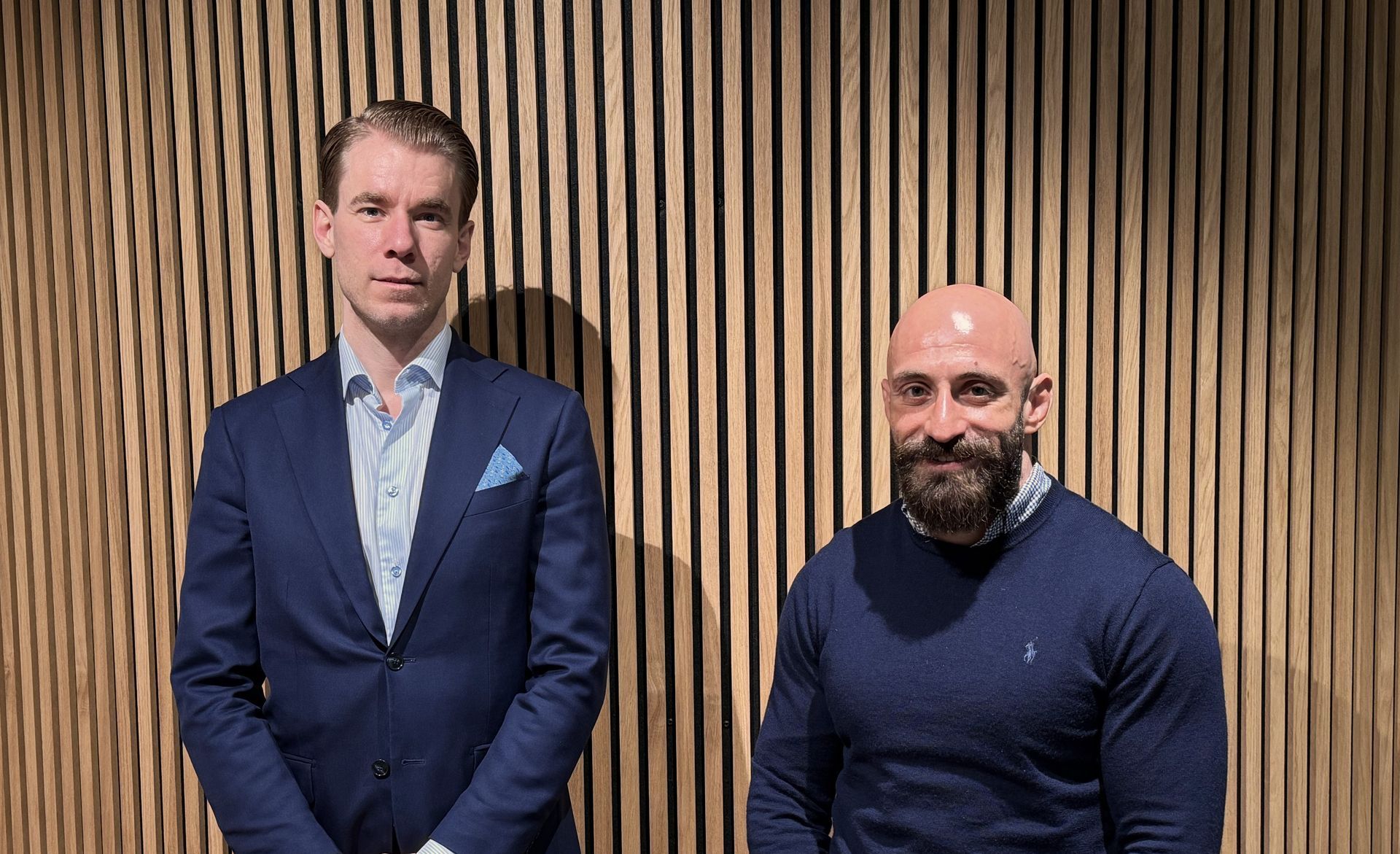
Felix Edgren has joined Permian as Country Head Sweden and Head of Fund Administration & Accounting, effective 12 January. His appointment forms part of the combined Permian and Highvern Group . Felix brings extensive experience from asset servicing, capital markets and fund administration. He joins Permian from Apex Group, where he held several senior leadership roles, including Country Head Sweden and Regional Head Corporate Solutions Nordics. Prior to this, he held senior positions at Nordic Trustee, TMF Group and Intertrust Group. Felix has experience working across the Nordics and Luxembourg. Johanna Bjenne, Interim Country Head Sweden and Head of Fund Administration & Accounting, says: “We are very happy to welcome Felix to the team. His operational and strategic experience, deep understanding of the Swedish market, and client-focused leadership make him well equipped to support our continued growth in Sweden while further strengthening the quality and delivery of our fund services.” Commenting on his new role, Felix says: “Permian holds a leading position in the Nordics, and I’m excited to be joining Permian and Highvern as we continue to expand in capacity and scale. I look forward to contributing to the team and continuing delivering best-in-class services to our clients in Sweden.” Johanna Bjenne will transition back to her role as Head of Fund Operations, Onshore.
December 10, 2025
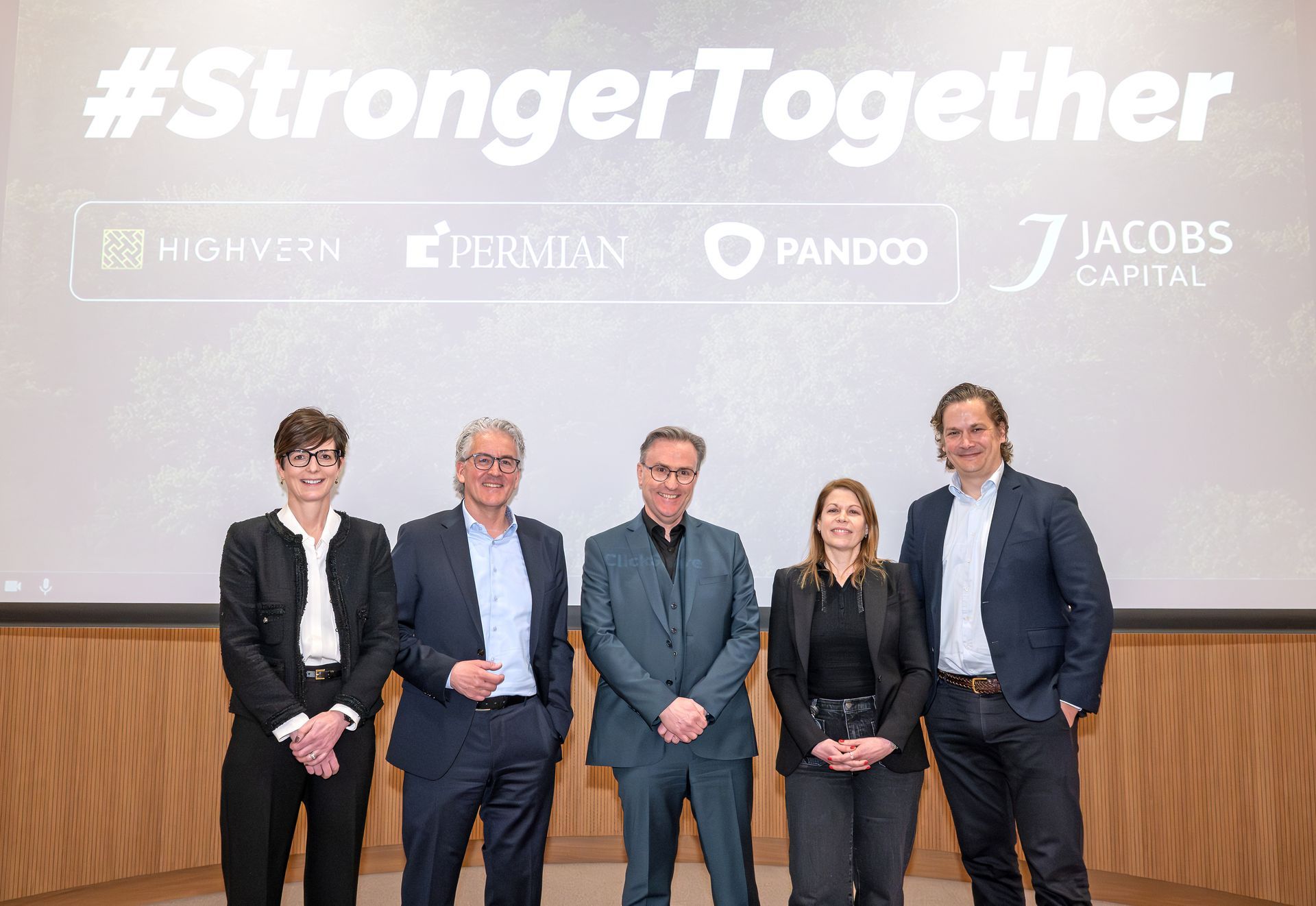
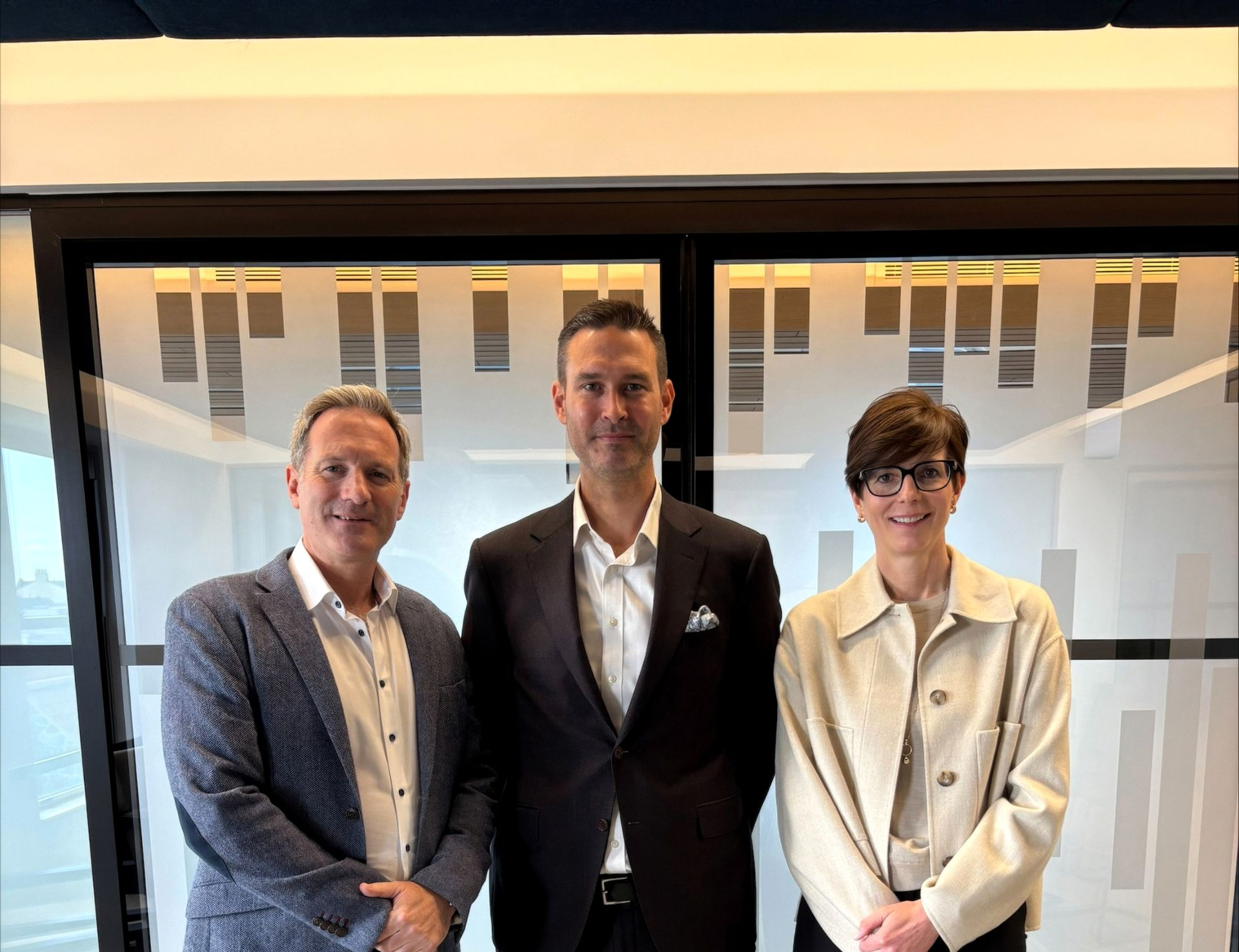
Permian and Highvern, together with Jacobs Capital, announce the appointment of Caroline Connellan as Group Chief Executive Officer.
Permian's new office at Jakobsbergsgatan 17.
December 9, 2025
To support Permian’s continued growth, its expanding Nordic client base, and its long-term commitment to providing best-in-class fund services, the company has relocated from Vasagatan 36 to new offices at Jakobsbergsgatan 17 in the Mood District. The new premises at Jakobsbergsgatan offer a modern and flexible workplace that accommodates Permian’s nearly 70 employees in Sweden. The office features expanded meeting facilities, improved collaboration areas, and increased workstation capacity to support the company’s continuously growing team and cross-border operations. “Alongside our mission to deliver high-quality services to our clients, our new office gives us room to scale and welcomes focused work as well as innovative and meaningful conversations with partners, clients, and colleagues. A huge thank you to everyone who has been part of this journey so far,” says Johanna Bjenne , Country Head, Sweden. The new office is fully operational. Updated contact details are available on Permian's website under "Contact".
November 19, 2025
As the global fund landscape evolves, cross-jurisdiction collaboration is becoming essential. For the newly combined Highvern and Permian group, that momentum begins with Ireland and the Nordics, where teams are already working together to strengthen onshore fund services and deliver seamless, client-focused solutions across eight jurisdictions: Ireland, Sweden, Norway, Jersey, Guernsey, the UK, South Africa, and the Cayman Islands. Country Heads Emma Keane (Ireland), Johanna Bjenne (Sweden), and Susanne Berge-Hansen (Norway) share insights on how the unified group – now over 300 colleagues with $45bn in assets under administration – is creating value for clients through integrated expertise and a connected, multi-jurisdictional platform. Strength across borders Emma Keane (EK): What makes clients look outside Sweden or Norway when setting up structures in other jurisdictions? Johanna Bjenne (JB): For Swedish managers, it’s a mix of access to capital, tax considerations and investor comfort. Many institutional investors are used to Ireland or Luxembourg structures, so being able to offer that option through the same group helps facilitate a seamless solution. It’s not just a tax discussion anymore - it’s about investor confidence, reputation, and long-term visibility. Susanne Berge Hansen (SBH): It’s similar in Norway. Managers want stability and regulatory consistency. By working closely with our Irish colleagues, we can compare and combine options to find the best fit for each client. The fact that this can now happen within the same organisation makes a big difference - it’s faster, simpler, and built on shared trust. EK: Clients increasingly expect that continuity. Having Ireland, Sweden, and Norway as well as our offshore offering in Jersey, Guernsey and Cayman under one group allows us to offer local presence and international reach in a single connected network of expertise. Enhancing expertise & innovation EK: We’ve already seen teams working more closely together since the integration. How is that translating into client opportunities right now? SBH: It’s already changing how we think. For example, Highvern’s Irish team has deep experience in areas like debt and private credit, while our Nordic clients are exploring those same asset classes. We can now bring that knowledge straight into client discussions, rather than learning from scratch. JB: Yes and on our side, we’re supporting more clients who want digital access and data visibility. As part of a larger group with shared technology development, we’re now able to offer those tools faster. It’s a real, practical benefit that’s happening today. EK: And it’s two-way. We’re learning from the Nordic teams’ approach to client engagement -that mix of precision and partnership. You can already feel that shared energy across our teams. Having recently been successful on a pitch, referred from our Permian colleagues, for a Swedish manager looking to launch an Irish ICAV for their royalties’ fund, demonstrating not only the further jurisdictional reach but also the depth of expertise between both teams, the client was able to feel the benefit from the outset of the relationship. JB: At Permian, our values - caring, precise, and challenging - are really lived day to day. Joining a bigger group always raises questions about culture. How do you see that playing out? SBH: The key is that our values align. Highvern’s focus on quality, integrity, and client service mirrors what we’ve built at Permian. That means collaboration feels natural, you could see how quickly people connected - same mindset, just different accents! EK: That’s so true. The offsite really confirmed how strong that alignment is. Everyone’s ambitious but grounded, and that balance is what will help us scale without losing who we are. Impact for clients EK: Looking at the market today, what are the biggest topics your clients are focused on? JB: There’s a lot of attention on AIFMD II and ESG reporting. Clients want administrators who can not only comply but also help interpret what’s coming. Having a bigger, connected group means we can share insights and act faster when new regulation lands. SBH: Governance and data transparency are also high on the agenda. Clients expect partners who can combine strong regulatory understanding with modern digital delivery - and that’s exactly where we’re investing together as a group. EK: We’ve become one group with a shared purpose, and clients are already seeing the benefits - broader expertise, deeper resources, and a network that connects Ireland, the Nordics, and beyond. Not only does this extend to our Highvern and Permian colleagues, but also our strong network of intermediary relationships in each jurisdiction to help meet our clients needs. JB: It’s an exciting time. We’re not talking about a distant future - the collaboration is happening now, and it’s energising our teams and clients alike. You can feel the momentum. With a shared purpose and connected teams, we are already delivering enhanced onshore fund expertise, deeper resources, and seamless solutions for our clients – today and into the future.
November 6, 2025
As ESG regulation becomes a central part of the investment ecosystem, fund administrators take on a broader role. Agata Bremer, ESG Director at Permian, reflects on how this development builds on the existing strengths of fund administration — why administrators are uniquely positioned to deliver ESG services, and what it takes to adapt.
October 27, 2025
Meet Eleona Skreosen, Fund Administrator at Permian. With a background in Sustainable Finance and experience across hedge funds and health tech, she shares what drew her to Permian — and what makes her work here exciting
September 24, 2025
Jannike Ludvigsson, Senior ESG Advisor at Permian, answers key questions about the European Supervisory Authorities’ (ESAs) latest update on Sustainable Finance Disclosure Regulation (SFDR).
August 18, 2025
Several interesting publications from public authorities regarding the Sustainable Finance Disclosure Regulation EU 2019/2088 (SFDR) and linked sustainability regulations have been made during June and July 2025. Our main takeaways for Swedish and Norwegian AIFMs are listed below.
August 12, 2025
On 25 June, the Norwegian Financial Supervisory Authority (the “NFSA”) published a report on Norwegian asset manager’s compliance with the SFDR.
More Posts